
Fat-Soluble Vitamins in Ghee: A, D, E and K
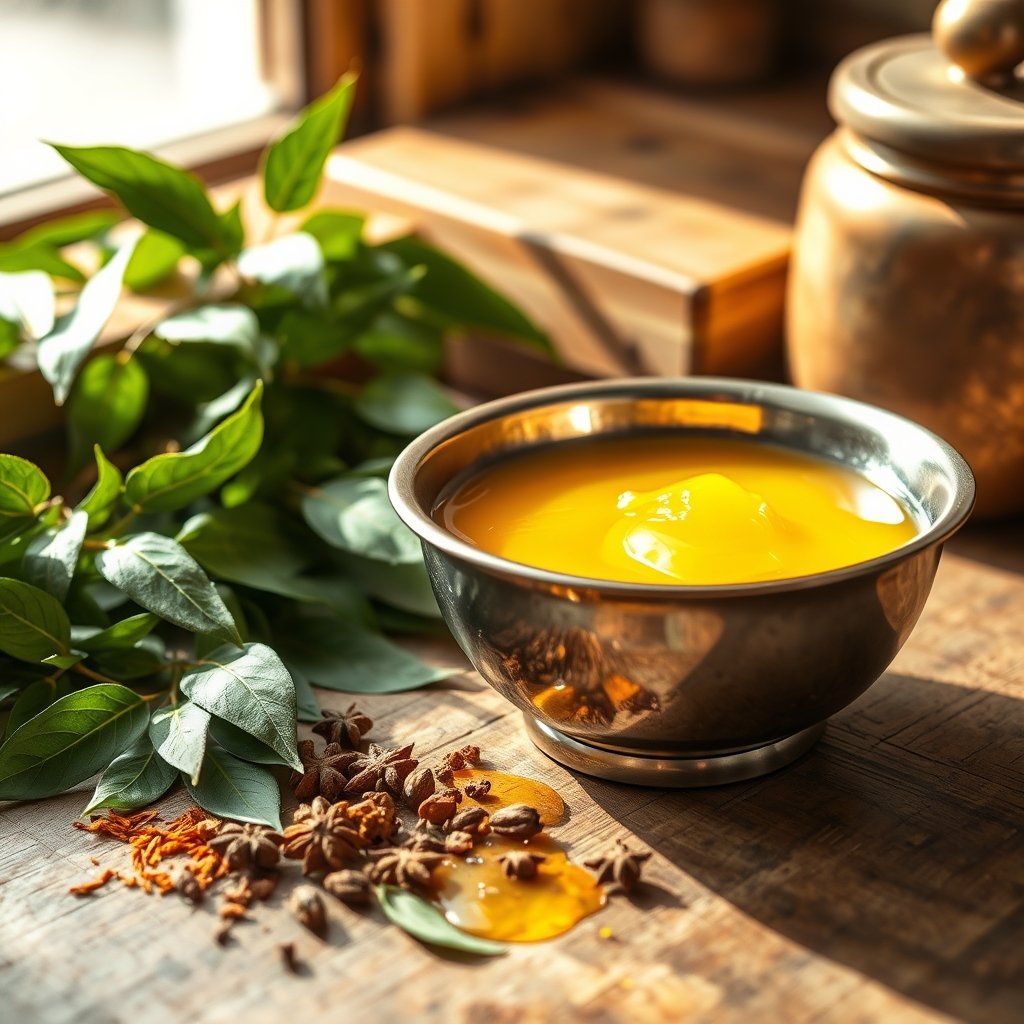
What vitamins are naturally present in traditional ghee?
Ghee naturally contains the fat-soluble vitamins A, D, E, and K, which are retained in the butterfat during the traditional churning process. When you include pure A2 Gir cow ghee in your daily meals, you are consuming these essential micronutrients in a fat matrix that has been used in Indian kitchens for generations.
Unlike water-soluble nutrients that the body flushes out regularly, fat-soluble vitamins require dietary fat for proper absorption. Because ghee is entirely composed of butterfat, it serves as a natural vehicle for these compounds, helping the body assimilate them smoothly when paired with traditional Indian foods.
How Do Vitamins A, D, E, and K Function in the Diet?
Each of the four fat-soluble vitamins plays a distinct role in maintaining overall well-being:
- Vitamin A: Supports vision health, immune function, and the maintenance of healthy skin linings.
- Vitamin D: Assists in calcium absorption and bone health, often associated with the warmth of traditional dairy fats.
- Vitamin E: Acts as an antioxidant, protecting cellular structures from oxidative stress.
- Vitamin K: Plays an essential part in blood clotting and normal bone metabolism.
In classical Ayurveda, ghee is valued not only for its rich aroma and ability to blend spices, but also as an *anupana*—a carrier that helps transport the nutritional benefits of herbs and foods deeper into the body tissues.
Why the Bilona Method Matters for Nutrient Retention
The way ghee is prepared directly influences its final profile. At Organic Farmz, we follow the traditional bilona method, which starts with boiling raw A2 milk from indigenous Gir cows, setting it into curd, hand-churning it into makkhan (butter), and slow-heating that butter in a brass or earthen vessel.
Industrial dairy processing often relies on high heat and cream separation via centrifuge to produce fast batches of ghee. In contrast, the slow simmering of bilona butter allows moisture to evaporate gently while protecting the delicate balance of fatty acids and heat-stable micronutrients. The slow temperature profile prevents the harsh degradation that industrial heating can cause.
A2 Gir Cow Milk vs. Regular Dairy Fat
Not all milk is identical. Indigenous Indian breeds like the Gir cow produce A2 milk, which contains a specific type of beta-casein protein different from the A1 protein found in many foreign crossbred cattle. When this A2 milk is turned into curd and churned into ghee, the resulting fat is naturally fragrant, golden-yellow, and packed with traditional goodness.
Comparing Nutrient Carriers in the Kitchen
| Feature | Traditional Bilona A2 Ghee | Standard Commercial Refined Oil |
|---|---|---|
| Source | Pure A2 Gir cow milk curd | Chemically extracted plant seeds |
| Processing | Hand-churned, slow simmered | Refined, bleached, deodorised |
| Vitamin Retention | Natural fat-soluble vitamins A, D, E, K | Virtually devoid of native vitamins |
| Ayurvedic Status | Regarded as a primary nourishing fat | Not classified in traditional texts |
Using Ghee in Everyday Indian Cooking
Integrating these vitamins into your diet does not require elaborate recipes. Indian home cooking naturally pairs ghee with nutrient-dense ingredients. Consider these everyday uses:
- Dals and Curries: Drizzling a spoonful of warm bilona ghee over a steaming bowl of *moong dal* or *toor dal* just before serving.
- Rotis and Parathas: Smearing a light coat of ghee over a freshly baked whole wheat roti to soften the crumb and add depth of flavour.
- Khichdi: Stirring a generous dollop into a comforting pot of rice and lentils simmered with turmeric and cumin.
- Tadka: Frying spices like cumin seeds, mustard seeds, and curry leaves in warm ghee to release fat-soluble aromas before mixing them into sabzis.
Because these vitamins are fat-soluble, pairing ghee with vegetables rich in beta-carotene—such as carrots, pumpkins, and leafy greens—helps your digestive system put those nutrients to work efficiently.
Bringing Real Tradition to Your Table
When you scoop a golden spoonful of Organic Farmz A2 Gir cow ghee into your meal, you are tasting centuries of culinary wisdom. By respecting the bilona process, we ensure that every jar brings you the authentic taste, natural aroma, and native fat-soluble vitamins that your grandmother relied upon in her kitchen.
Taste the difference
Small-batch A2 Gir cow ghee, hand-churned to order and delivered across India. Read how we make it if you want the detail first.
Order a jarKeep reading
-
 What Is Actually in Ghee: A Nutrition Breakdown
A clear, practical breakdown of ghee nutrition facts, detailing fat composition, vitamins, short-chain fatty…
What Is Actually in Ghee: A Nutrition Breakdown
A clear, practical breakdown of ghee nutrition facts, detailing fat composition, vitamins, short-chain fatty…
-
 What Are Short-Chain Fatty Acids in Ghee?
Learn what short-chain fatty acids like butyric acid are in ghee, how they differ from long-chain fats, and…
What Are Short-Chain Fatty Acids in Ghee?
Learn what short-chain fatty acids like butyric acid are in ghee, how they differ from long-chain fats, and…
-
 Is Ghee Keto-Friendly?
Yes, ghee is entirely keto-friendly because it is a pure fat source containing virtually zero carbohydrates…
Is Ghee Keto-Friendly?
Yes, ghee is entirely keto-friendly because it is a pure fat source containing virtually zero carbohydrates…