
Curd-Churned or Cream-Separated: The Two Ways Ghee Is Made

Ghee is made through one of two primary processes: either by culturing whole milk into yogurt and churning it into butter (the curd-churned method), or by mechanically separating raw cream directly from milk and simmering it (the cream-separated method).
How Does the Curd-Churned Bilona Process Work?
The curd-churned method is the traditional Indian technique practiced for generations in rural households. Whole milk from indigenous Gir cows is boiled, cooled, and inoculated with curd culture. As the milk ferments overnight, natural enzymes break down lactose into lactic acid. The whole curd is then churned bidirectionally with a wooden bilona. Soft butter floats to the top, leaving behind fresh buttermilk (chhas). The gathered butter is slowly clarified over low heat, allowing water to evaporate and milk solids to brown gently at the bottom of the pan before being strained out.
What Is the Industrial Cream-Separation Method?
The cream-separation method was developed for large-scale industrial dairy processing to maximize efficiency. In this modern setup, fresh milk passes through a high-speed mechanical centrifuge that instantly splits raw cream from skimmed milk. The separated cream is gathered and immediately heated to high temperatures to evaporate moisture and turn the fat into liquid ghee. This bypasses the overnight fermentation step entirely, saving time and labor while producing large uniform quantities of clarified fat.
Our cows are not use and throw
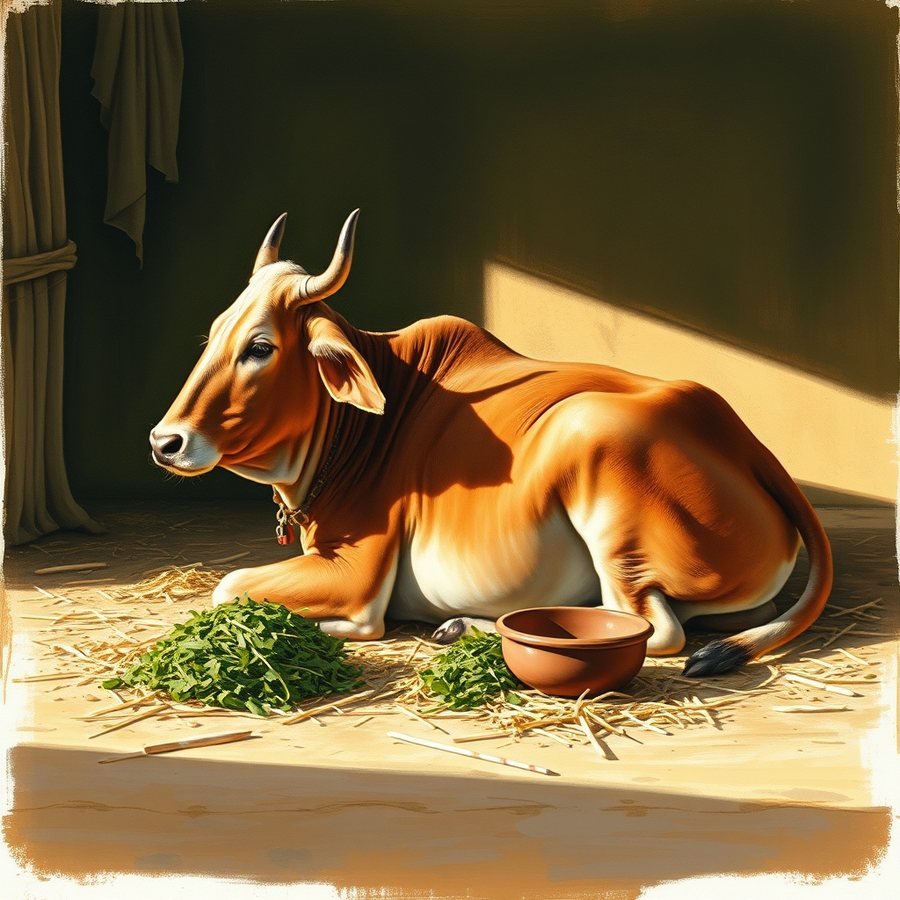
A cow that stops giving milk is still our cow. She stays on the farm, with the same feed, the same shed and the same medical care she had when she was milking. We do not sell her on and we do not let her go. That is the whole basis of the ghee we make — you cannot ask an animal for her milk and then abandon her for it.
Our mission goes further than our own herd. There are cows on the street who are injured every day, who eat plastic, who cry through the night with nobody coming. We want to take them in. The plan is a chain of Organic Farmz gaushalas in several places, so that help is not one shed in one city but something a hurt animal can actually reach.
This takes more than we can carry alone — land, fodder, vets, hands. Come and join our initiative. Anything you give goes to feed, treat and shelter these cows.

Scan with any UPI app
Bank transfer
- Account name Organic Farmz
- Bank Indian Bank
- Account number 8133177322
- IFSC code IDIB000K555
- UPI ID organicfarmz@ptaxis
On a phone, the button above opens your UPI app directly — a QR on the screen you are reading cannot be scanned by that same screen. On a laptop, scan the code with your phone instead.
How Do These Two Making Methods Compare?
While both methods result in clarified butterfat, their preparation steps yield very different culinary characteristics in the final product.
| Process Step | Curd-Churned (Bilona) Method | Cream-Separated Method |
|---|---|---|
| Initial Preparation | Ferment whole milk into curd overnight | Separate raw cream from fresh milk instantly |
| Churning Technique | Bidirectional wooden churner (bilona) | Industrial centrifuge spinning |
| Byproduct | Nutritious cultured buttermilk (chhas) | Industrial skimmed milk |
| Digestive Profile in Traditional Cooking | Light, fermented, easily assimilated | Heavier fat profile without fermentation |
| Kitchen Characteristics | Granular grains, nutty aroma, high smoke point | Uniform texture, mild milk aroma |
Which Method Fits Traditional Indian Cooking Needs?
For daily Indian kitchen dishes like khichdi, phulkas, dal tadka, and festive halwa, curd-churned bilona ghee brings a depth of flavor that cream-separated ghee simply cannot match. The subtle acidity from fermentation balances the richness of the fat, making it a soothing addition to everyday meals while staying faithful to traditional culinary practices.
Taste the difference
Small-batch A2 Gir cow ghee, hand-churned to order and delivered across India. Read how we make it if you want the detail first.
Order a jarKeep reading
-
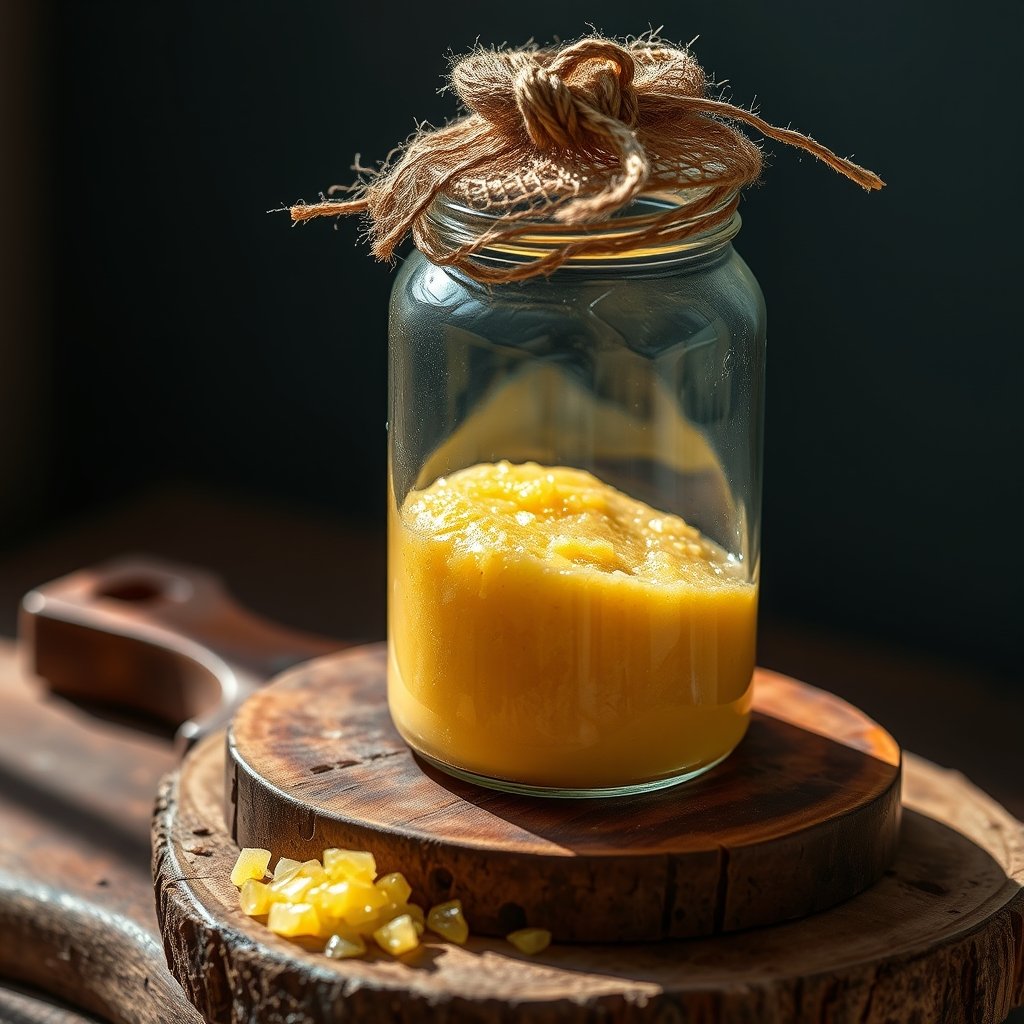 Machine vs Bilona Ghee: Spot Real Bilona by Grain Size
Real bilona ghee is identifiable by its distinct danedaar texture and nutty aroma, whereas machine-made ghee…
Machine vs Bilona Ghee: Spot Real Bilona by Grain Size
Real bilona ghee is identifiable by its distinct danedaar texture and nutty aroma, whereas machine-made ghee…
-
 Why We Do Not Keep Ghee in Stock
A look into why fresh, made-to-order A2 Gir cow ghee is prepared in small batches after you order rather…
Why We Do Not Keep Ghee in Stock
A look into why fresh, made-to-order A2 Gir cow ghee is prepared in small batches after you order rather…
-
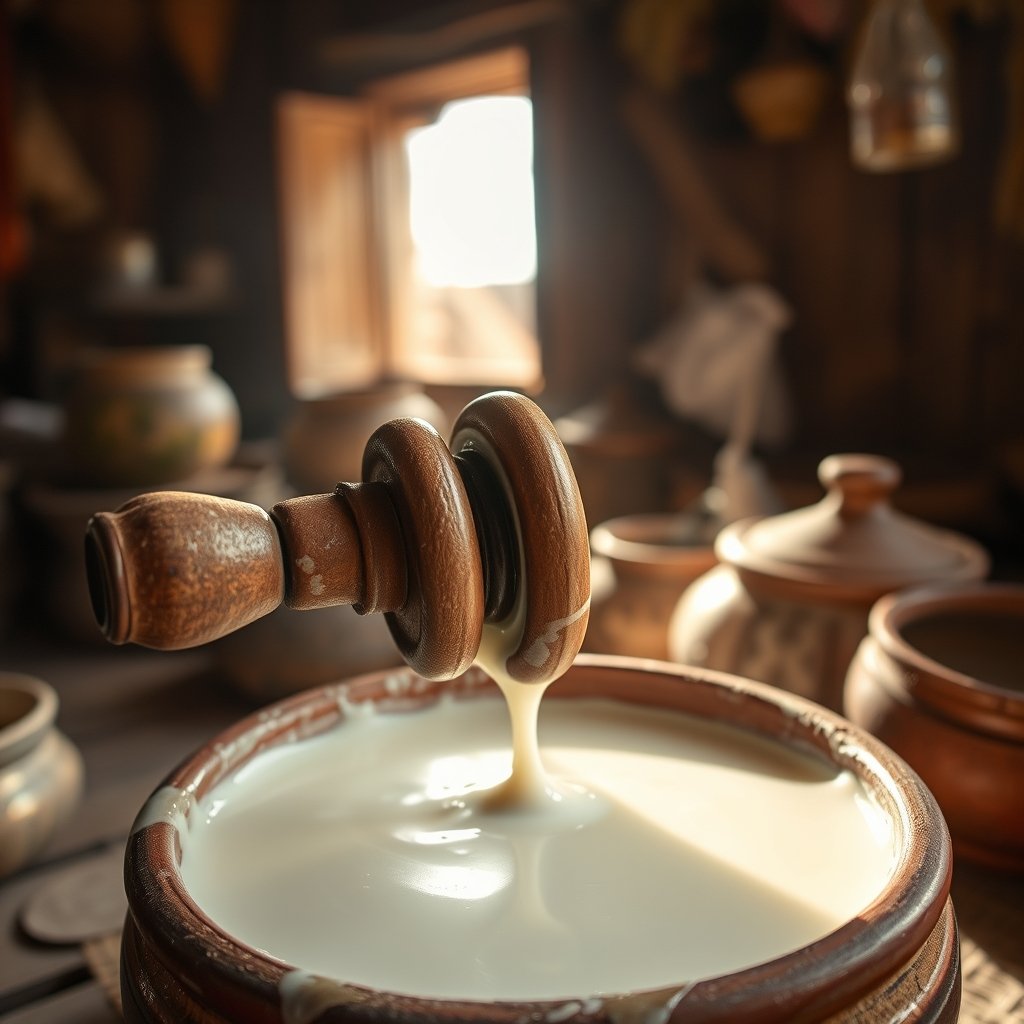 Why We Only Churn After You Order
Discover why we choose to churn our A2 Gir cow bilona ghee only after you order, preserving its natural…
Why We Only Churn After You Order
Discover why we choose to churn our A2 Gir cow bilona ghee only after you order, preserving its natural…
