
Calories in a Spoon of Ghee

One tablespoon (15 ml) of pure ghee contains approximately 120 to 130 calories and 14 grams of fat, while a standard Indian kitchen teaspoon (5 ml) provides about 40 to 45 calories.
Whether you are drizzling a bit over hot khichdi, tempering a bowl of yellow dal, or brushing a thin layer onto fresh rotis, ghee is a dense source of fat and food energy. In an Indian home, the phrase "a spoon of ghee" can mean very different things depending on whether you reach for a small chammach or a heavy serving ladle. Understanding the actual numbers helps you bring traditional fats into your daily routine with clarity and confidence.
How Many Calories Are in a Teaspoon Versus a Tablespoon of Ghee?
When tracking daily fat intake or planning meals, measuring by volume can sometimes be tricky because room-temperature ghee sits in a semi-solid, grainy state. However, standard cutlery measurements give a reliable baseline. A level teaspoon holds around 5 grams of ghee, whereas a standard dining tablespoon holds closer to 14 or 15 grams.
Because ghee is almost pure butterfat with nearly all water and milk solids removed during gentle simmering, its calorie count comes entirely from naturally occurring fatty acids. Here is how standard kitchen measurements compare in terms of energy and fat content:
| Measurement | Volume or Weight | Approximate Calories | Total Fat | Typical Kitchen Use |
|---|---|---|---|---|
| Standard Teaspoon (5 ml) | ~4.5 to 5 grams | 40 - 45 kcal | 4.5 to 5 g | Finishing hot roti, stirring into khichdi, or warm morning water |
| Standard Tablespoon (15 ml) | ~14 to 15 grams | 120 - 135 kcal | 14 to 15 g | Sautéing tadka spices, roasting besan for sweets, or making parathas |
It is worth noting that a heaped spoon of semi-solid ghee from a jar often contains significantly more fat than a level melted spoon. If precision matters in your kitchen, melting the ghee slightly or leveling off the spoon provides an accurate count.
Does the Way Ghee Is Made Change Its Calorie Count?
Whether ghee is produced through industrial cream separation or through the slow, traditional bilona process using A2 Gir cow milk, the energy value per gram remains practically identical. Fat contains roughly 9 calories per gram across cooking fats, including ghee, butter, mustard oil, and coconut oil.
What changes between methods is not the calorie count, but the character, aroma, and nutrient context of the fat. In the traditional bilona method, whole milk from Gir cows is first cultured into curd. This curd is churned back and forth using a wooden churn to separate fresh butter, which is then slowly clarified over a low flame. This gentle heating preserves natural fat-soluble aromas and produces characteristic golden granules. While a tablespoon of bilona A2 Gir cow ghee carries the same energy as any other pure ghee, its rich taste and complex aroma mean a small amount delivers deep satisfaction in cooking.
How Do You Measure Ghee Accurately in Different Seasons?
Because Indian ambient temperatures fluctuate throughout the year, ghee constantly shifts between a firm solid, a soft grainy paste, and a clear golden liquid. This changing physical state affects how much fat actually fits onto a spoon.
In peak summer, when ghee becomes liquid, one tablespoon will measure almost exactly 15 ml. During cooler winter months when the jar turns solid and granular, a firm scoop can easily hold 20 grams or more of ghee without overflowing the edges. If you wish to keep track of your daily calories accurately, either warm the jar gently until a portion melts before spooning, or use a small digital kitchen scale to measure by weight rather than liquid volume.
How Is Ghee Traditionally Used in Indian Kitchens and Ayurveda?
In traditional Indian cooking, ghee has never been treated as a fat to be avoided or used carelessly. Instead, it serves a functional role in both flavor extraction and daily nourishing meals. Ayurveda speaks of ghee as an anupana—a carrier medium that helps bind aromatic spices and fat-soluble herbs so their flavors spread evenly throughout a dish.
In daily home cooking, a half-teaspoon added to hot dal during the final tempering (tadka) blooms spices like cumin, mustard seeds, and asafoetida. When brushed on warm whole wheat rotis, a thin smear softens the surface and slows down moisture loss. Rather than consuming large quantities at once, traditional wisdom favors small, consistent amounts integrated into balanced meals alongside whole grains, vegetables, and lentils.
Making Ghee Count in Your Daily Cooking
Knowing that a tablespoon of ghee contains around 120 to 130 calories allows you to enjoy its rich, nutty flavor without guessing. Choosing handcrafted A2 Gir cow ghee made through the classic bilona method ensures that every spoonful brings pure, unadulterated taste to your dining table. Whether it is a small teaspoon stirred into khichdi or a tablespoon used to bloom fragrant spices, quality ghee remains one of the most timeless and comforting elements of the Indian kitchen.
Taste the difference
Small-batch A2 Gir cow ghee, hand-churned to order and delivered across India. Read how we make it if you want the detail first.
Order a jarKeep reading
-
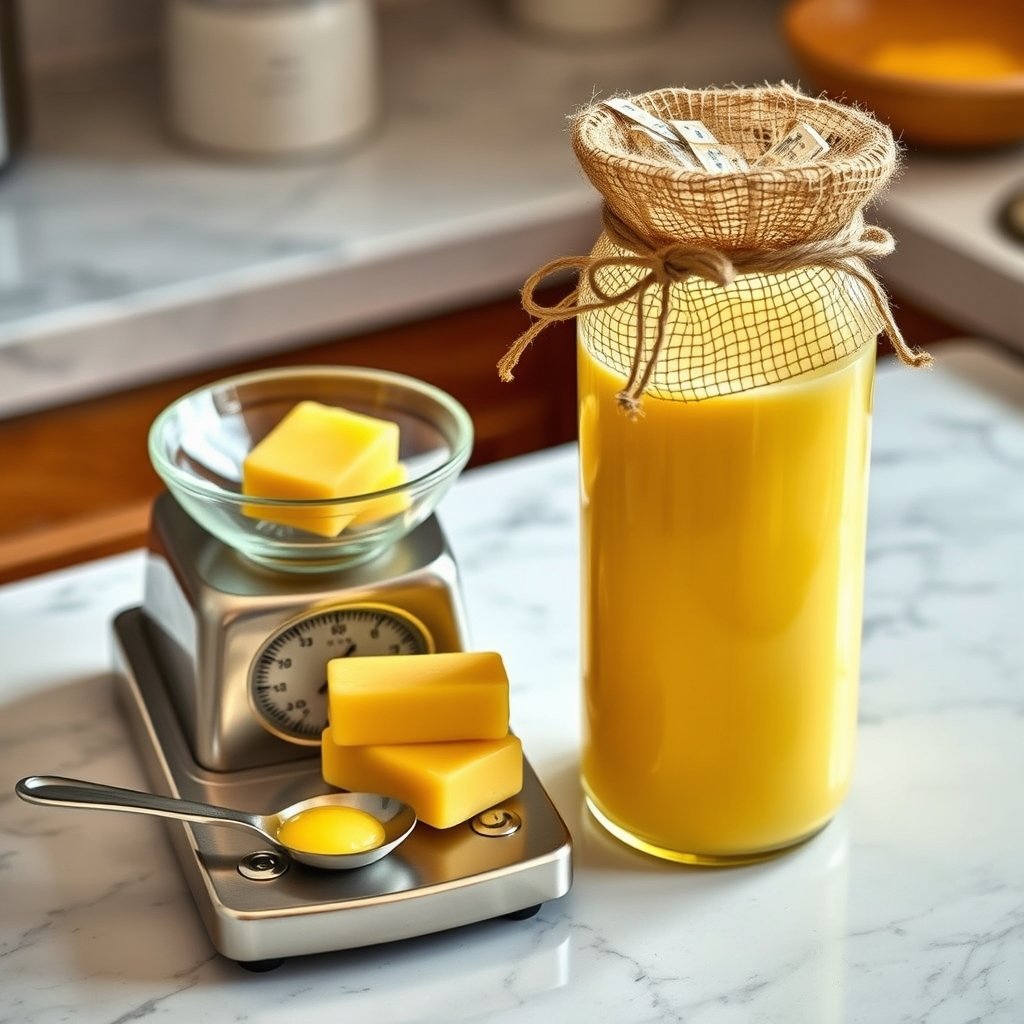 What Is Actually in Ghee: A Nutrition Breakdown
A clear, practical breakdown of ghee nutrition facts, detailing fat composition, vitamins, short-chain fatty…
What Is Actually in Ghee: A Nutrition Breakdown
A clear, practical breakdown of ghee nutrition facts, detailing fat composition, vitamins, short-chain fatty…
-
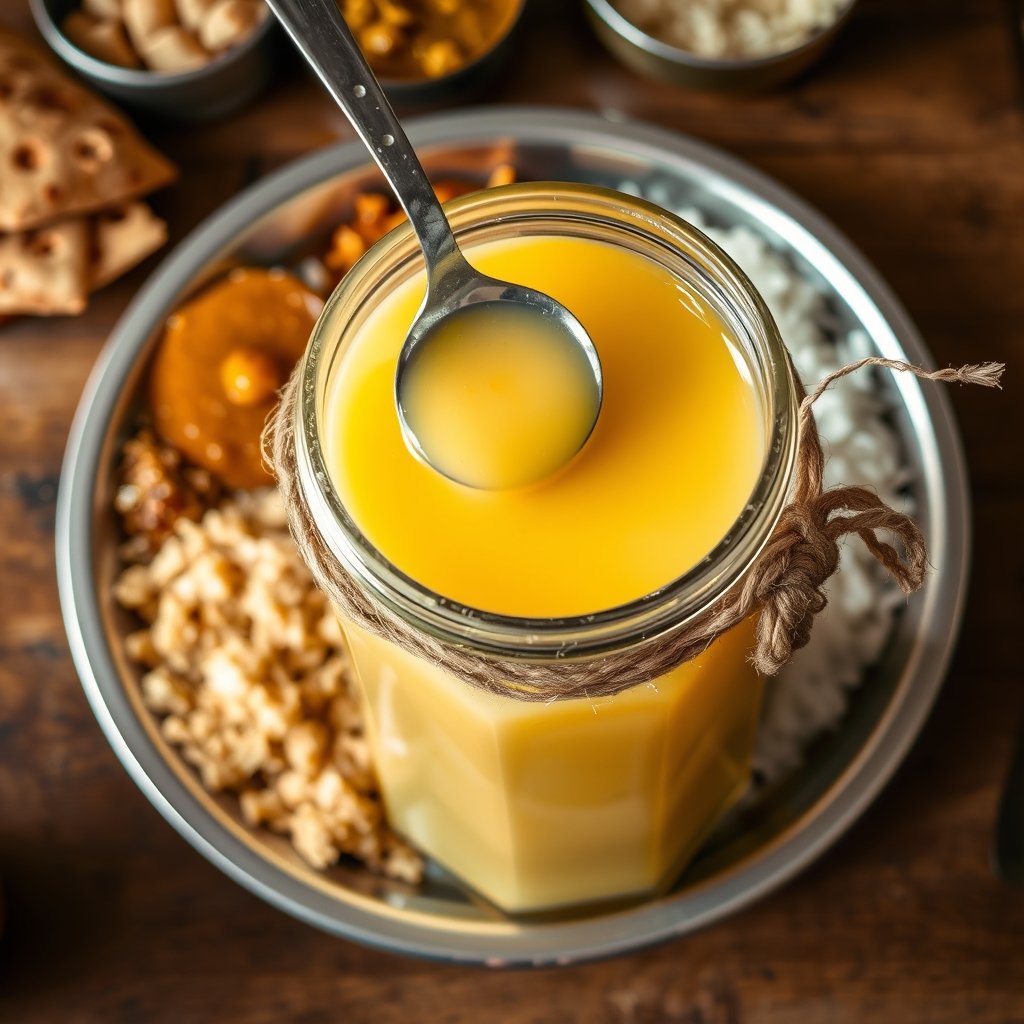 How Much Ghee Does an Indian Family Use in a Month?
Are you wondering how much ghee a typical household goes through in thirty days? From daily rotis to weekend…
How Much Ghee Does an Indian Family Use in a Month?
Are you wondering how much ghee a typical household goes through in thirty days? From daily rotis to weekend…
-
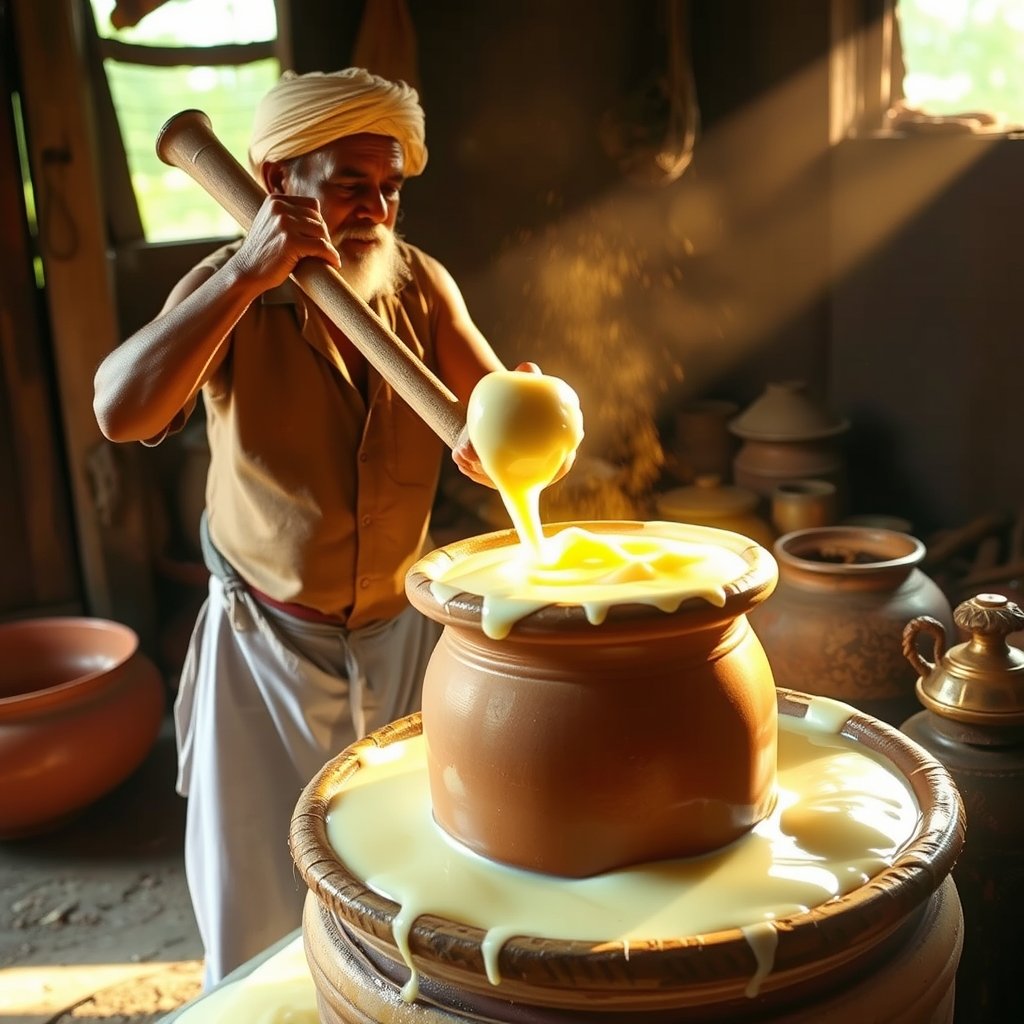 Ghee Price Per Kg in India: What Drives the Range
Curious why ghee price per kg varies so wildly across Indian markets? We break down the real costs—from Gir…
Ghee Price Per Kg in India: What Drives the Range
Curious why ghee price per kg varies so wildly across Indian markets? We break down the real costs—from Gir…