
Branded or Local Ghee: What You Trade Either Way
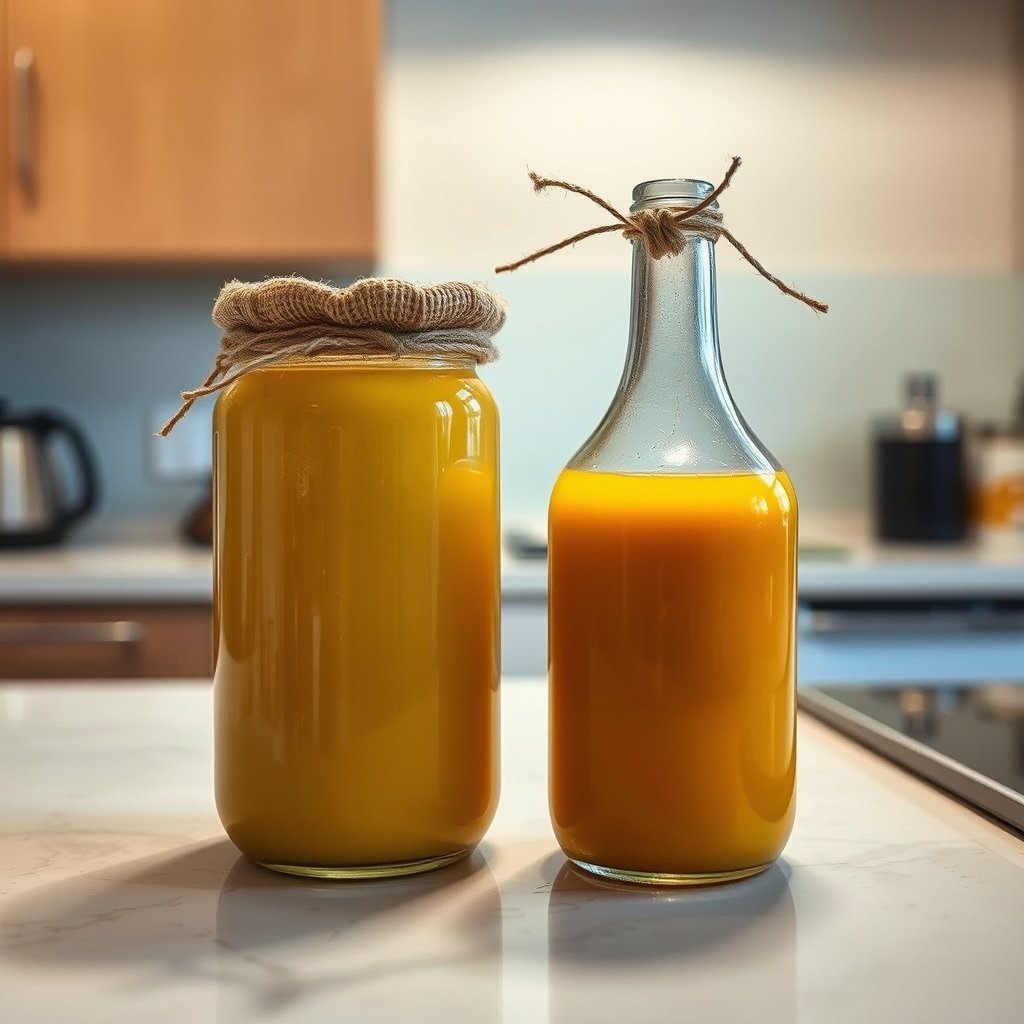
Choosing between branded ghee and local ghee comes down to trading standardized consistency and official consumer recourse for personal traceability and batch freshness. Neither option is universally superior for every household, because the right choice depends on whether you prioritize predictable supply and lab accountability or direct proximity to the source of your food.
What makes branded ghee reliable for daily cooking?
Branded ghee gives you absolute predictability in flavor, moisture content, and melting point across every jar you buy throughout the year. Commercial brands operate under formal regulatory oversight, meaning their packaging lists batch numbers, nutritional breakdowns, and verifiable manufacturer contact information. If a jar arrives broken, smells oxidized, or tastes sour, you have an established customer service helpline, consumer forums, and return policies to lean on. For busy households that need a uniform cooking fat for everyday tempering and frying without surprises, this consistency eliminates guesswork from meal preparation.
What are the main advantages of buying local ghee?
Local ghee provides direct visibility into how the cows are kept, what fodder they eat, and whether the milk undergoes traditional culturing or mechanical separation. When you buy from a nearby gaushala or local artisan farmer, the ghee is usually prepared in small batches and sold within days of churning. You can ask directly whether the milk comes from native A2 Gir cows, whether calves are fed first, and whether the fat was separated using a wooden bilona or a centrifugal cream separator. In Ayurvedic cooking, fresh, unhurried bilona ghee made from cultured curd carries an earthy aroma and granulated texture that industrial processing lines cannot replicate.
How do branded and local ghee compare side by side?
Here is how the two sources compare across practical kitchen criteria:
| Feature | Branded Ghee | Local Dairy Ghee |
|---|---|---|
| Consistency | Uniform aroma, texture, and color batch after batch. | Varies with seasonal fodder, cow lactation, and batch size. |
| Traceability | Sourced from pooled cooperative milk pools. | Direct knowledge of the herd, diet, and milking hands. |
| Consumer Recourse | Established return channels and customer support. | Informal personal trust; refunds depend on vendor goodwill. |
| Freshness | Warehoused and shipped through long distribution chains. | Often freshly churned and clarified within days of purchase. |
| Clarification Method | Industrial steam jackets and cream separation. | Traditional fire simmering and cultured bilona churning. |
Our cows are not use and throw

A cow that stops giving milk is still our cow. She stays on the farm, with the same feed, the same shed and the same medical care she had when she was milking. We do not sell her on and we do not let her go. That is the whole basis of the ghee we make — you cannot ask an animal for her milk and then abandon her for it.
Our mission goes further than our own herd. There are cows on the street who are injured every day, who eat plastic, who cry through the night with nobody coming. We want to take them in. The plan is a chain of Organic Farmz gaushalas in several places, so that help is not one shed in one city but something a hurt animal can actually reach.
This takes more than we can carry alone — land, fodder, vets, hands. Come and join our initiative. Anything you give goes to feed, treat and shelter these cows.

Scan with any UPI app
Bank transfer
- Account name Organic Farmz
- Bank Indian Bank
- Account number 8133177322
- IFSC code IDIB000K555
- UPI ID organicfarmz@ptaxis
On a phone, the button above opens your UPI app directly — a QR on the screen you are reading cannot be scanned by that same screen. On a laptop, scan the code with your phone instead.
What risks do you take with unbranded local dairy ghee?
Unbranded local ghee relies entirely on personal trust, leaving you vulnerable to batch-to-batch hygiene variances and potential adulteration. Without formal batch testing, unverified neighbourhood dairies may mix buffalo milk, hydrogenated vegetable fats, or commercial cream into cow ghee to increase yield and lower costs. Storage hygiene can also fluctuate, as unsealed tins or open plastic containers expose the fat to kitchen moisture and ambient dust, which accelerates spoilage. If you purchase an unbranded batch that turns rancid prematurely or carries a smoky off-note from scorched milk solids, you rarely have formal recourse to recover your money.
What compromises come with industrial commercial ghee?
Commercial ghee sacrifice aroma depth and traditional processing steps to survive multi-month supply chains. Most factory-scale brands produce ghee directly from uncultured cream rather than cultured curd, skipping the overnight fermentation that gives traditional bilona ghee its rich, nutty fragrance and light digestibility. Industrial processing also pools milk from thousands of cows across different breeds, pasteurizes it at high temperatures, and clarifies it in stainless steel vacuum pans. While the resulting product is safe, stable, and shelf-friendly, it lacks the lively grain and nuanced herbal notes found in ghee made from grass-fed cows grazing on seasonal pastures.
How should you choose the right jar for your home?
Choose an established brand when you lack personal access to a trusted dairy, need guaranteed year-round shelf stability, or require a neutral cooking medium for heavy frying. Choose local or small-batch bilona producers when you want to use ghee as a finishing touch over hot dal, khichdi, and soft phulkas, where aroma and pasture quality take center stage. If you decide to support local dairies, visit the farm in person or order small trial jars to verify that the butter was cultured and clarified over low heat. Balancing both options—using reliable store-bought ghee for high-heat cooking and a traceable A2 bilona jar for daily table use—often gives modern kitchens the best of both worlds.
Taste the difference
Small-batch A2 Gir cow ghee, hand-churned to order and delivered across India. Read how we make it if you want the detail first.
Order a jarKeep reading
-
 A2 Ghee in South Delhi and Saket: Local Delivery Guide
A2 Gir cow bilona ghee is available in South Delhi and Saket via direct delivery from farm-based brands or…
-
 Desi Ghee in Delhi: 5 Options from Kirana to Bilona
Delhi households can buy desi ghee from local kiranas, neighbourhood dairies, wholesale mandis, online apps…
-
 Cheap Desi Ghee India: Low Prices Mean Trade-offs
Cheap desi ghee in India usually sacrifices traditional bilona processing, A2 milk sourcing, and slow…
