
Bilona vs Vedic Ghee: Is There Any Difference?

There is practically no difference between bilona ghee and Vedic ghee, as both terms refer to traditional clarified butter made by culturing whole cow milk into curd and churning it bidirectionally to extract makkhan before slow-simmering.
What Is the Origin of the Term Vedic Ghee?
The term Vedic ghee comes from ancient Indian texts where ghee was described not merely as a cooking fat, but as a revered, nourishing food prepared according to precise traditional rhythms. In these classical descriptions, milk was sourced from indigenous cows, boiled over low fire, cooled, cultured overnight with fresh curd starter, and churned using a wooden churner called a bilona. Today, the label Vedic ghee is used by artisan producers to signal that the ghee follows these historical guidelines rather than industrial factory methods.
What Does the Bilona Method Entail?
The word bilona refers specifically to the wooden churner attached to a rope, used to churn cultured curd back and forth. This bidirectional motion gently separates the milk fat from the buttermilk without heating or bruising the fat globules. Once the churned butter, or makkhan, floats to the top, it is collected, washed with clean water, and gently heated in thick-bottomed brass or iron pans. Because the process relies on cultured curd rather than raw cream, the resulting ghee develops a complex aroma and a natural granular texture.
Our cows are not use and throw
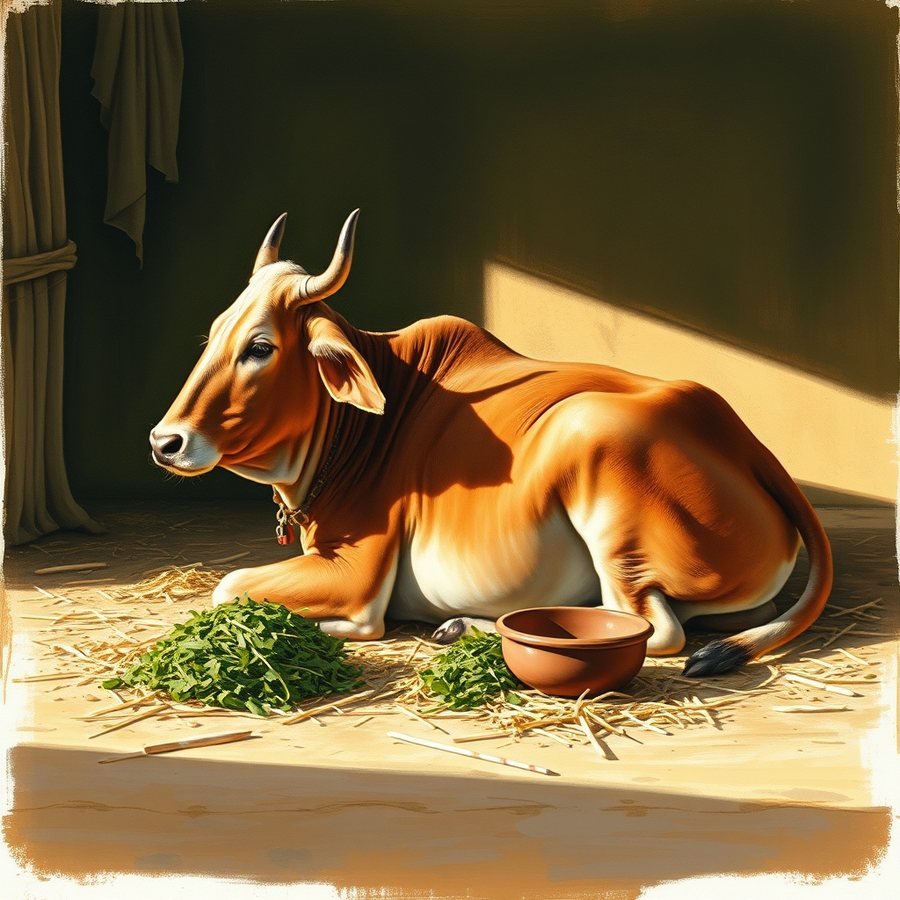
A cow that stops giving milk is still our cow. She stays on the farm, with the same feed, the same shed and the same medical care she had when she was milking. We do not sell her on and we do not let her go. That is the whole basis of the ghee we make — you cannot ask an animal for her milk and then abandon her for it.
Our mission goes further than our own herd. There are cows on the street who are injured every day, who eat plastic, who cry through the night with nobody coming. We want to take them in. The plan is a chain of Organic Farmz gaushalas in several places, so that help is not one shed in one city but something a hurt animal can actually reach.
This takes more than we can carry alone — land, fodder, vets, hands. Come and join our initiative. Anything you give goes to feed, treat and shelter these cows.

Scan with any UPI app
Bank transfer
- Account name Organic Farmz
- Bank Indian Bank
- Account number 8133177322
- IFSC code IDIB000K555
- UPI ID organicfarmz@ptaxis
On a phone, the button above opens your UPI app directly — a QR on the screen you are reading cannot be scanned by that same screen. On a laptop, scan the code with your phone instead.
How Do Bilona and Vedic Ghee Compare?
When shopping for authentic ghee, you will often see these two labels used interchangeably on jars. Here is how the terminology breaks down in practical terms:
| Aspect | Bilona Ghee | Vedic Ghee |
|---|---|---|
| Core Meaning | Refers to the churning tool and physical process used | Refers to the ancient methodology and holistic principles |
| Primary Ingredient | Cultured curd made from whole milk | Cultured curd made from whole milk |
| Production Style | Slow, small-batch, bidirectional churning | Slow, small-batch, traditional curd-churning |
| Flavor & Texture | Nutty, nutty-aromatic, distinct granular grain | Nutty, deep aroma, distinct granular grain |
What Should You Look for When Buying Traditional Ghee?
Because the terms bilona and Vedic are sometimes applied loosely in modern marketing, it helps to check the production details on the label. Authentic traditional ghee will explicitly mention that it is made from whole milk curd, churned using a wooden bilona, and simmered slowly. It should display a rich golden color, a natural granular texture at room temperature, and a delicate caramel aroma when melted over warm rotis or dal.
Taste the difference
Small-batch A2 Gir cow ghee, hand-churned to order and delivered across India. Read how we make it if you want the detail first.
Order a jarKeep reading
-
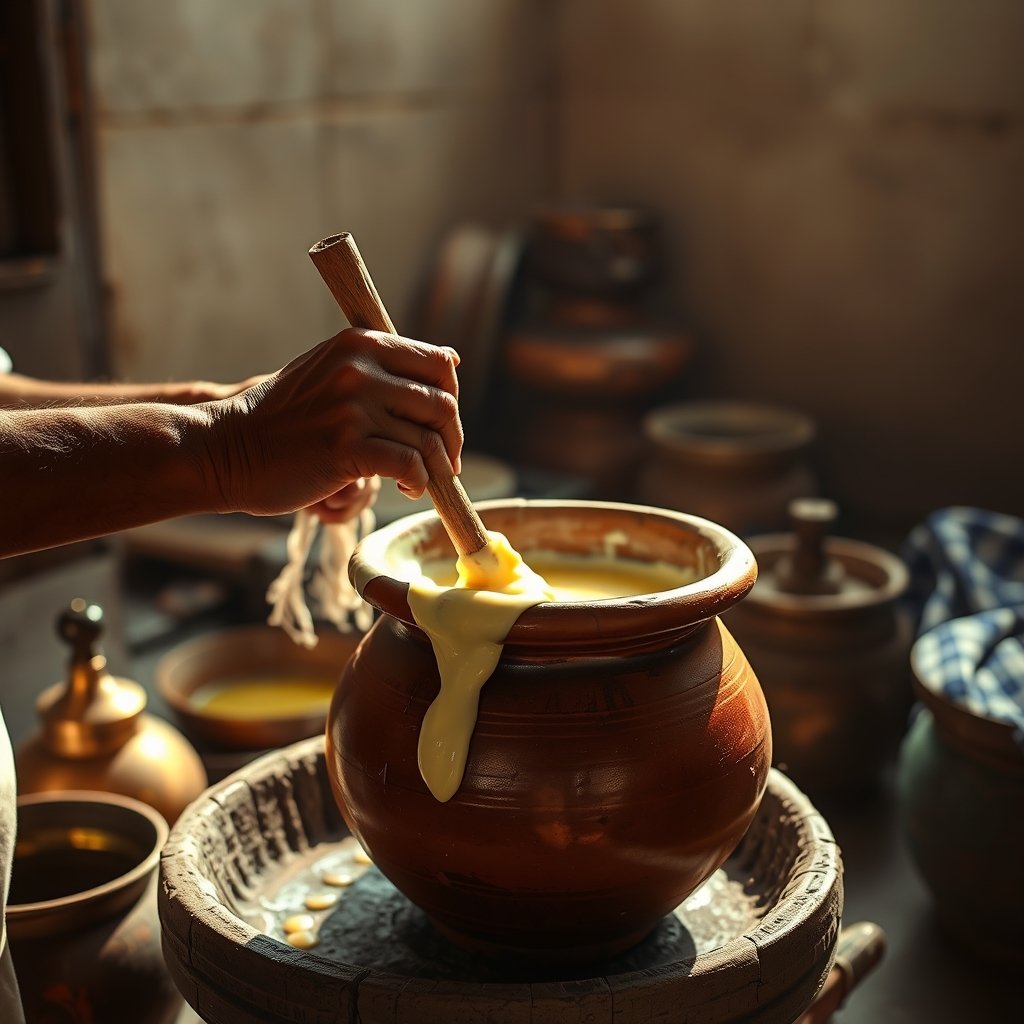 The History of Ghee in India
Discover the three-thousand-year history of ghee in India, from Vedic churns and A2 Gir cows to the…
The History of Ghee in India
Discover the three-thousand-year history of ghee in India, from Vedic churns and A2 Gir cows to the…
-
 Why Ghee Is Offered in a Havan
Discover the traditional and symbolic reasons why pure A2 Gir cow ghee is the essential fuel for every…
Why Ghee Is Offered in a Havan
Discover the traditional and symbolic reasons why pure A2 Gir cow ghee is the essential fuel for every…
-
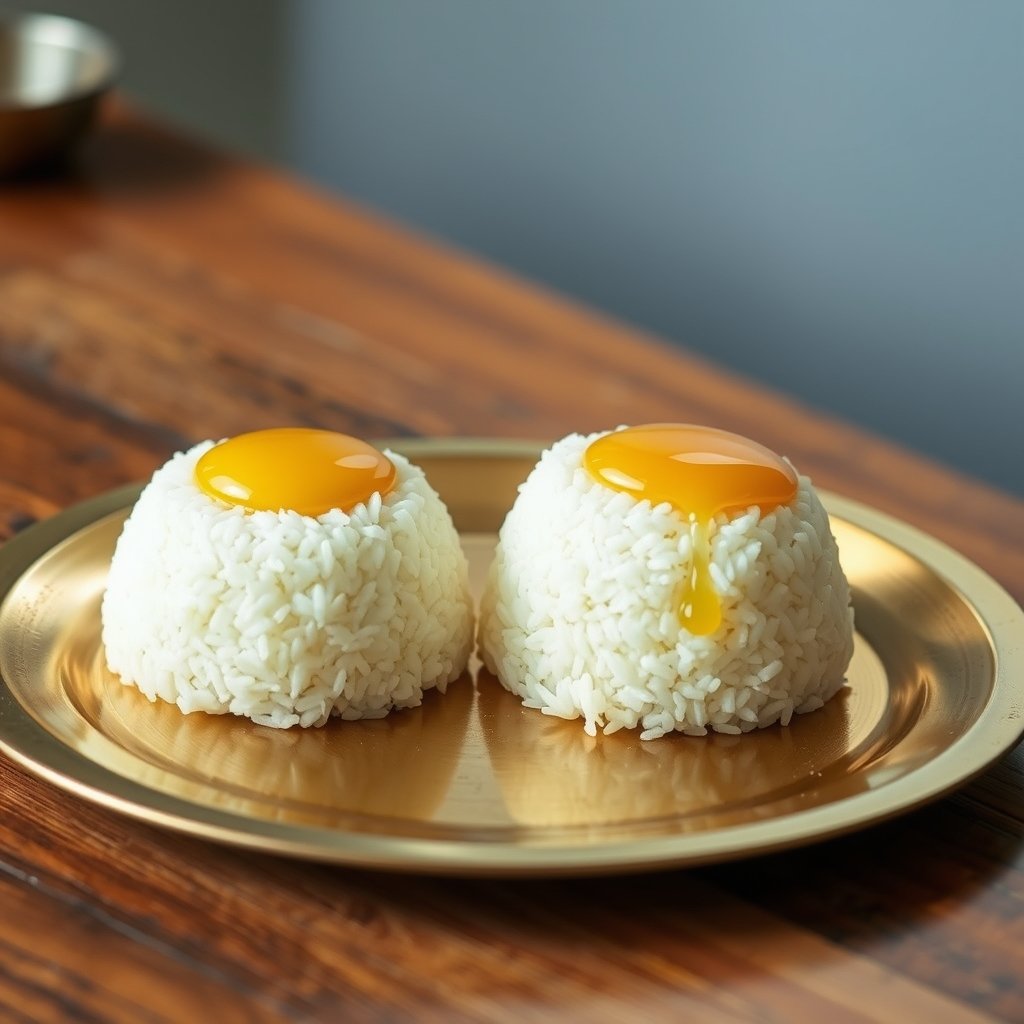 Changing Ghee Brand: Compare Two Side by Side
To compare ghee brands without guessing, test equal amounts on warm roti and room-temperature rice on the…
Changing Ghee Brand: Compare Two Side by Side
To compare ghee brands without guessing, test equal amounts on warm roti and room-temperature rice on the…
