
Why Ghee Appears in Indian Rituals and Temples
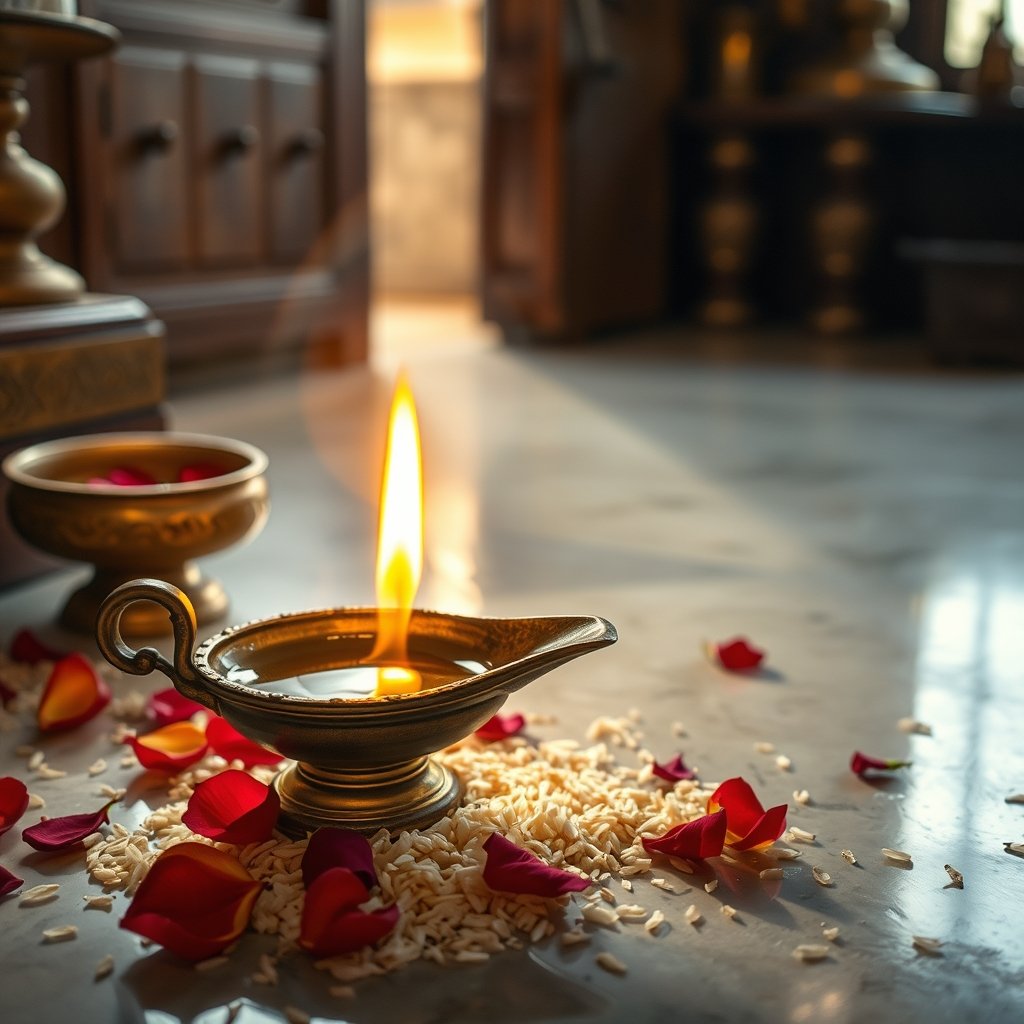
Ghee appears in Indian rituals and temples because it has long been considered the purest essence of milk, representing an offering of the finest nourishment one can prepare. When oil lamps are lit in a shrine or a havan is kindled, the substance chosen carries both practical and symbolic weight. In traditional Indian households and temple spaces alike, animal fats and plant oils were categorized by how they behaved when heated and how they were produced. Ghee, particularly when prepared slowly from curd using the traditional bilona method, stood apart as a food that could withstand heat without burning away instantly, while carrying a steady flame and a clean aroma. This practical reliability merged over centuries with cultural practices, making ghee a central element in daily worship, festive lamps, and sacred fire ceremonies.
What Does Ghee Represent in Puja and Worship?
In Hindu rituals, offerings are meant to be the purest version of what humans consume. Milk is sacred because it sustains life, and ghee is considered the essence of milk brought to its most refined state through boiling, setting, churning, and slow clarification. When a family lights a diya during evening aarti, the use of ghee rather than industrial oils is an act of care. The flame burns steady and bright, leaving behind minimal residue when the fat is pure. This physical quality of burning cleanly reinforced the idea of spiritual clarity. In many temples, large brass vessels hold ghee specifically designated for lamps that burn continuously through the day and night, symbolizing an unbroken connection to the divine.
How Do Temple Offerings and Kitchen Practices Connect?
The boundary between the home kitchen and the temple has always been porous in Indian tradition. The same A2 Gir cow ghee that is used to temper dal or enrich a festive sweet is also offered to deities during bhog preparations. Preparing food for sacred rituals requires attention to detail—clean vessels, pure ingredients, and careful timing. The bilona method, which starts with boiling milk, setting it into curd, churning it by hand, and clarifying the resulting butter, mirrors the kind of patience valued in ritual practice. Because the process takes time and care, the resulting ghee feels worthy of being placed before an altar. It is not an afterthought or a convenience fat; it is something made with deliberate effort.
Why Is Ghee Chosen for Havan and Yajna Fires?
| Feature | Ghee in Ritual Fires | Standard Cooking Oils |
|---|---|---|
| Source | Dairy-based, derived through traditional boiling and churning | Pressed seeds, nuts, or chemically extracted plant matter |
| Behavior in Flame | Feeds the fire evenly with a mild, pleasant aroma | Can sputter, smoke heavily, or alter ambient smells |
During a havan or yajna, offerings of ghee are poured directly into the sacred fire alongside herbs and grains. This practice, known as ahuti, relies on the physical properties of the fat. Ghee acts as a carrier, helping the dry herbs catch fire and release their aromatic compounds into the air evenly. Unlike heavy plant oils that can produce thick, acrid smoke when overheated, pure bilona ghee melts smoothly, feeds the flames in a controlled manner, and leaves behind a soft, milky fragrance. This made it the logical choice for enclosed spaces where families gathered around a fire pit to chant and offer prayers.
How Does A2 Gir Cow Ghee Fit Into Traditional Life?
Today, when people look back at why certain ingredients hold such a strong place in Indian culture, they often find that ritual and everyday nutrition were deeply intertwined. The emphasis on using ghee from indigenous cow breeds like the Gir was rooted in observation. Milk from these animals has distinct structural characteristics, and the traditional method of making ghee preserved its natural qualities without shortcuts. When we use this same ghee today—whether lighting a small clay lamp during Diwali, preparing food for a family gathering, or simply cooking our daily meals—we participate in a continuous thread of tradition where respect for ingredients begins with how they are made.