
What Are Short-Chain Fatty Acids in Ghee?
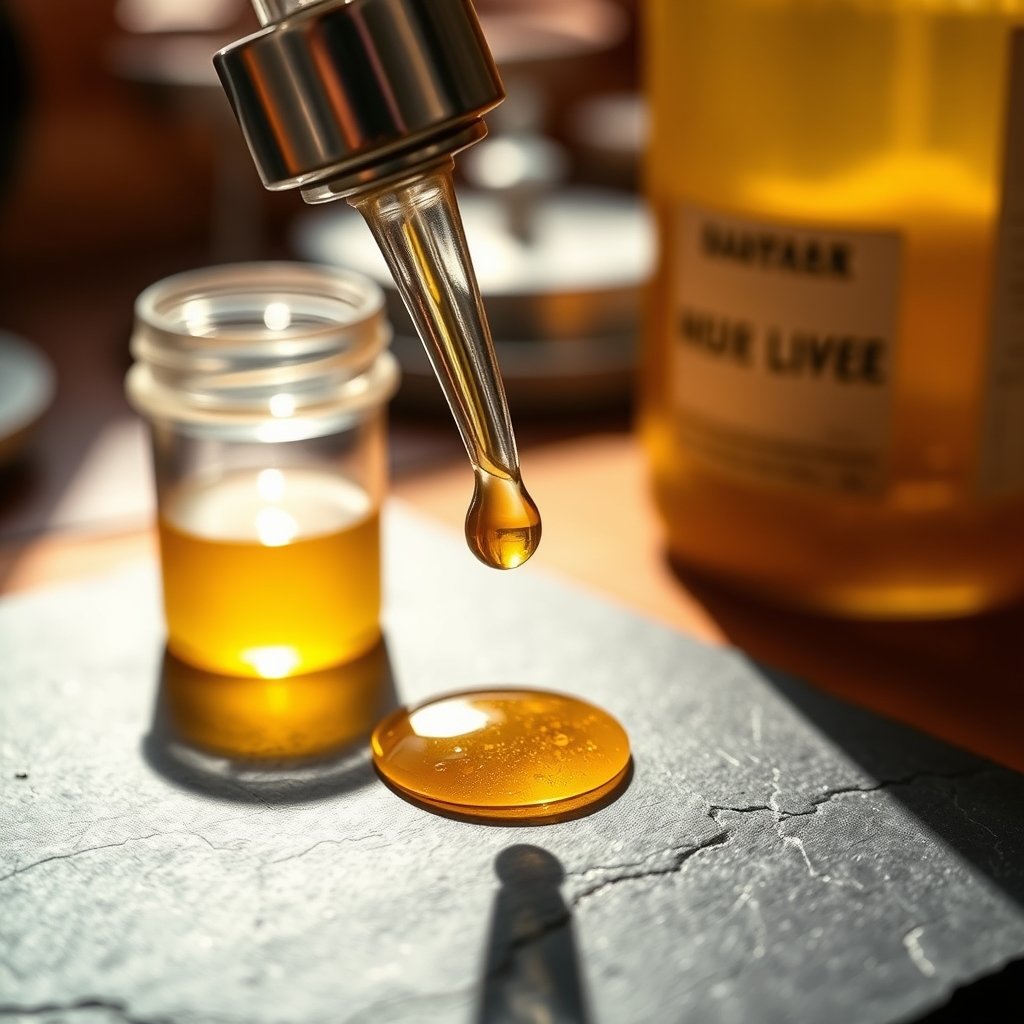
Short-chain fatty acids in ghee are small fat molecules—containing fewer than six carbon atoms—with butyric acid being the most prominent, giving ghee its distinct aroma, smooth digestive qualities, and quick absorption profile. Unlike the long-chain fatty acids that dominate seed oils and animal fats, these shorter lipid chains dissolve readily and break down without requiring heavy emulsification by liver bile. In traditional A2 Gir cow ghee made through the bilona churn process, short-chain fatty acids remain intact alongside medium and long-chain fats, creating a balanced fat matrix that has made ghee a fundamental kitchen staple across Indian homes for generations.
What Are Short-Chain Fatty Acids?
To understand fatty acids in ghee, it helps to look at how fat molecules are structured. Fats are composed of chains of carbon atoms linked together. Most fats in our everyday diets, such as those found in mustard oil, refined sunflower oil, or coconut oil, consist primarily of medium-chain or long-chain fatty acids containing twelve to twenty or more carbon atoms. Short-chain fatty acids (often abbreviated as SCFAs) have a much shorter backbone, typically between two and five carbons.
In milk fat, and subsequently in clarified butter or ghee, short-chain fatty acids make up a significant natural fraction. The most well-known SCFA in ghee is butyric acid, named after the Latin word for butter, butyrum. Butyric acid is responsible for the pleasant, warm, buttery scent that arises when a spoonful of fresh ghee melts over warm khichdi or freshly flipped rotis. Because of their small molecular size, short-chain fatty acids dissolve easily in warm water environments and interact differently with heat and digestion compared to heavier, dense fats.
Which Short-Chain Fatty Acids Are Found in A2 Gir Cow Ghee?
When milk from A2 Gir cows is cultured into curd and churned using the traditional wooden bilona, the resulting fat contains a diverse spectrum of lipids. Butyric acid is the dominant short-chain fatty acid in ghee, accounting for a notable percentage of its total fatty acid profile. Small amounts of caproic acid (a six-carbon chain) and other light volatile fatty acids are also present in trace quantities.
These short-chain fatty acids exist in harmony with medium-chain fats like lauric acid and long-chain saturated and monounsaturated fats such as oleic acid and palmitic acid. This natural variety is what gives A2 Gir cow ghee its characteristic physical properties: it remains solid or soft at ambient room temperature, melts instantly upon reaching body temperature, and carries a rich, nutty flavor without feeling heavy or oily on the palate.
How Do Short-Chain Fats Compare to Long-Chain Fats?
In cooking and nutrition, fat molecules of different chain lengths behave in distinct ways. The table below outlines how short-chain fatty acids like butyric acid differ from the long-chain fatty acids commonly found in cooking oils and animal fats.
| Characteristic | Short-Chain Fatty Acids (e.g., Butyric Acid) | Long-Chain Fatty Acids (e.g., Oleic, Palmitic Acid) |
|---|---|---|
| Molecular Structure | 2 to 5 carbon atoms per chain | 12 to 20+ carbon atoms per chain |
| Solubility & Melting | Melts at lower temperatures, highly volatile | Melts at higher temperatures, stable at high heat |
| Digestion Pathway | Absorbed directly and used rapidly by tissues | Requires bile salts and pancreatic enzymes to digest |
| Aroma Contribution | Provides rich, nutty, warm butter notes | Mostly odorless or neutral in flavor |
| Primary Sources | Cultured butter, A2 bilona ghee, fermented foods | Seed oils, nuts, meat fat, vegetable shortening |
Because short-chain fats do not require complex structural breakdown during digestion, they provide a gentle, direct source of lipid energy. Long-chain fats, on the other hand, provide thermal stability for high-heat cooking and contribute to the firm, granular body of ghee at cooler temperatures.
Why Does the Traditional Bilona Method Retain These Fatty Acids?
The method used to extract fat from milk plays a crucial role in preserving delicate short-chain fatty acids. In modern industrial ghee production, raw milk cream is separated mechanically using high-speed centrifuges and clarified at high temperatures without prior fermentation. This aggressive mechanical and thermal processing can cause volatile short-chain fatty acids to evaporate or degrade.
In contrast, the traditional bilona method begins by boiling pure A2 Gir cow milk and allowing it to cool before adding a natural curd starter. As the milk ferments into curd overnight, beneficial lactic acid bacteria interact with milk lipids, freeing up short-chain fatty acids like butyric acid. When this cultured curd is slowly bi-directionally churned using a wooden bilona, the butter separates gently without excessive heat or friction. Finally, slow simmering over a low flame converts the butter into golden ghee, locking in the aromatic short-chain fatty acids without burning them away.
How Do Short-Chain Fatty Acids Behave in Indian Home Cooking?
From a culinary perspective, short-chain fatty acids are responsible for the immediate bloom of fragrance when ghee touches warmth. When you add a dollop of bilona ghee to hot dal, steaming rice, or freshly roasted spices during a tadka, the low boiling point of these short lipid chains releases a warm aroma that fills the kitchen.
In traditional Ayurvedic cooking, ghee is valued as an anupana—a medium that carries the active flavor and qualities of herbs and spices into cooked food. The small molecular size of short-chain fatty acids allows ghee to coat cooked grains evenly, softening textures and balancing sharp, spicy flavors without masking the natural taste of ingredients like cumin, mustard seeds, or turmeric.
How Should You Store Ghee to Protect Its Fatty Acid Profile?
Because short-chain fatty acids are light and volatile, improper storage can affect the aroma and freshness of your ghee over time. Exposure to direct sunlight, high moisture, or open air can cause these lipid chains to oxidize, leading to a loss of scent or a flat taste.
To keep your A2 Gir cow ghee fresh, store it in a clean, airtight glass or steel jar in a cool, dark kitchen cupboard. Always use a dry wooden or stainless steel spoon when taking ghee out of the jar to prevent moisture from introducing bacteria. When stored correctly at room temperature, traditional bilona ghee preserves its natural short-chain fatty acid structure and golden quality for many months without needing artificial preservatives or refrigeration.
Taste the difference
Small-batch A2 Gir cow ghee, hand-churned to order and delivered across India. Read how we make it if you want the detail first.
Order a jarKeep reading
-
 Fat-Soluble Vitamins in Ghee: A, D, E and K
Discover which fat-soluble vitamins naturally occur in A2 Gir cow ghee made through the traditional bilona…
Fat-Soluble Vitamins in Ghee: A, D, E and K
Discover which fat-soluble vitamins naturally occur in A2 Gir cow ghee made through the traditional bilona…
-
 What Is Actually in Ghee: A Nutrition Breakdown
A clear, practical breakdown of ghee nutrition facts, detailing fat composition, vitamins, short-chain fatty…
What Is Actually in Ghee: A Nutrition Breakdown
A clear, practical breakdown of ghee nutrition facts, detailing fat composition, vitamins, short-chain fatty…
-
 Ghee vs Vanaspati: Why They Are Not the Same Thing
Ghee is a natural dairy fat made from milk butter, whereas vanaspati is an industrially hydrogenated…
Ghee vs Vanaspati: Why They Are Not the Same Thing
Ghee is a natural dairy fat made from milk butter, whereas vanaspati is an industrially hydrogenated…