
Sending Ghee From Delhi: Pack Tight in Double Boxes

Courier ghee within India safely by sealing the jar lid with tape or shrink-sleeve film, cushioning the container inside shock-absorbing air columns, and placing it inside a rigid double-walled corrugated carton. Pure A2 Gir cow bilona ghee is an unadulterated fat with a low melting point, making durable parcel protection essential whether you are sending a jar to family in Bengaluru or dispatching a gift across Punjab.
What happens to ghee during transit across Indian courier hubs?
Ghee travels through sorting hubs, automated conveyor drops, and non-air-conditioned regional transport vehicles where ambient temperatures frequently rise above thirty-five degrees Celsius. In these transit environments, solid cow ghee liquefies entirely, turning into a warm golden oil that exerts hydraulic pressure against the rim of the jar whenever the parcel shifts or drops. Glass jars face physical impact on sorting belts, while the fat inside repeatedly transitions between semi-solid and liquid states depending on regional weather patterns.
How should a glass jar of bilona ghee be packed for shipping?
Pack a glass jar of bilona ghee by addressing both liquid leakage and glass breakage before sealing the carton. Begin by wiping the jar completely dry and running heavy-duty sealing tape firmly along the lid seam, or applying a heat-shrink plastic neck sleeve over the closure. Slide the sealed jar into an inflatable air-column sleeve or wrap it in three generous layers of wide bubble film, taping all edges so the glass cannot slip out. Place this padded unit into an inner box, cushion that box with crumpled kraft paper inside an outer double-walled corrugated carton, and tape every outer seam using cross-weave reinforced packaging tape.
How do different courier packing methods compare for shipping ghee?
Selecting the right protective materials determines whether a glass container survives mechanical shocks and thermal softening during domestic shipping.
| Packaging Element | Single-Wall Box with Bubble Wrap | Double-Wall Box with Air Columns |
|---|---|---|
| Impact Resistance | Low; vulnerable to corner drops and conveyor impacts | High; air columns suspend the jar away from carton walls |
| Thermal Insulation | Minimal buffer against outdoor transport heat | Air chambers provide a mild barrier against direct ambient warmth |
| Leak Containment | Liquid fat can bleed through standard paper tape | Sealed plastic layers trap accidental seepage before it stains the box |
| Suitability for Glass | Acceptable only for short-haul hand delivery | Essential for long-distance domestic courier networks |
Our cows are not use and throw

A cow that stops giving milk is still our cow. She stays on the farm, with the same feed, the same shed and the same medical care she had when she was milking. We do not sell her on and we do not let her go. That is the whole basis of the ghee we make — you cannot ask an animal for her milk and then abandon her for it.
Our mission goes further than our own herd. There are cows on the street who are injured every day, who eat plastic, who cry through the night with nobody coming. We want to take them in. The plan is a chain of Organic Farmz gaushalas in several places, so that help is not one shed in one city but something a hurt animal can actually reach.
This takes more than we can carry alone — land, fodder, vets, hands. Come and join our initiative. Anything you give goes to feed, treat and shelter these cows.

Scan with any UPI app
Bank transfer
- Account name Organic Farmz
- Bank Indian Bank
- Account number 8133177322
- IFSC code IDIB000K555
- UPI ID organicfarmz@ptaxis
On a phone, the button above opens your UPI app directly — a QR on the screen you are reading cannot be scanned by that same screen. On a laptop, scan the code with your phone instead.
Why does ghee arrive melted or liquid in certain seasons?
Ghee arrives completely liquid because natural cow milk fat melts naturally between thirty-two and thirty-five degrees Celsius without any artificial hardening agents to keep it stiff. Traditional bilona ghee made from the curd of A2 Gir cows contains diverse fatty acid profiles that respond naturally to ambient climate changes. During warmer transit stretches, the smooth granular crystals dissolve into a clear amber liquid, which is an expected physical change that does not signify curdling, spoilage, or reduced purity.
What should you do when melted ghee arrives at your doorstep?
When a jar of melted ghee arrives, keep the lid closed and allow the jar to rest completely undisturbed at cool room temperature away from direct sunlight. Moving or shaking a cooling jar disturbs the slow crystallization of the milk fats, resulting in a runny or greasy consistency rather than the beloved granular danedar texture. If room temperature remains warm, place the sealed jar in the refrigerator for two to three hours until it hardens evenly, then return it to your ambient kitchen pantry where it will retain a pleasant, workable body for daily cooking.
Does transit heat damage the taste or ayurvedic qualities of A2 ghee?
Transit heat does not damage the flavor, culinary performance, or traditional qualities of bilona ghee as long as the seal remains airtight and dry. In Indian culinary and ayurvedic traditions, slow-churned makkhan is clarified over open fire precisely to evaporate every drop of moisture, making the finished fat naturally shelf-stable in high heat. As long as water and wet spoons are kept away from the jar, the natural aroma, golden color, and deep nutty notes of your Delhi-dispatched bilona ghee remain intact across every domestic destination.
Taste the difference
Small-batch A2 Gir cow ghee, hand-churned to order and delivered across India. Read how we make it if you want the detail first.
Order a jarKeep reading
-
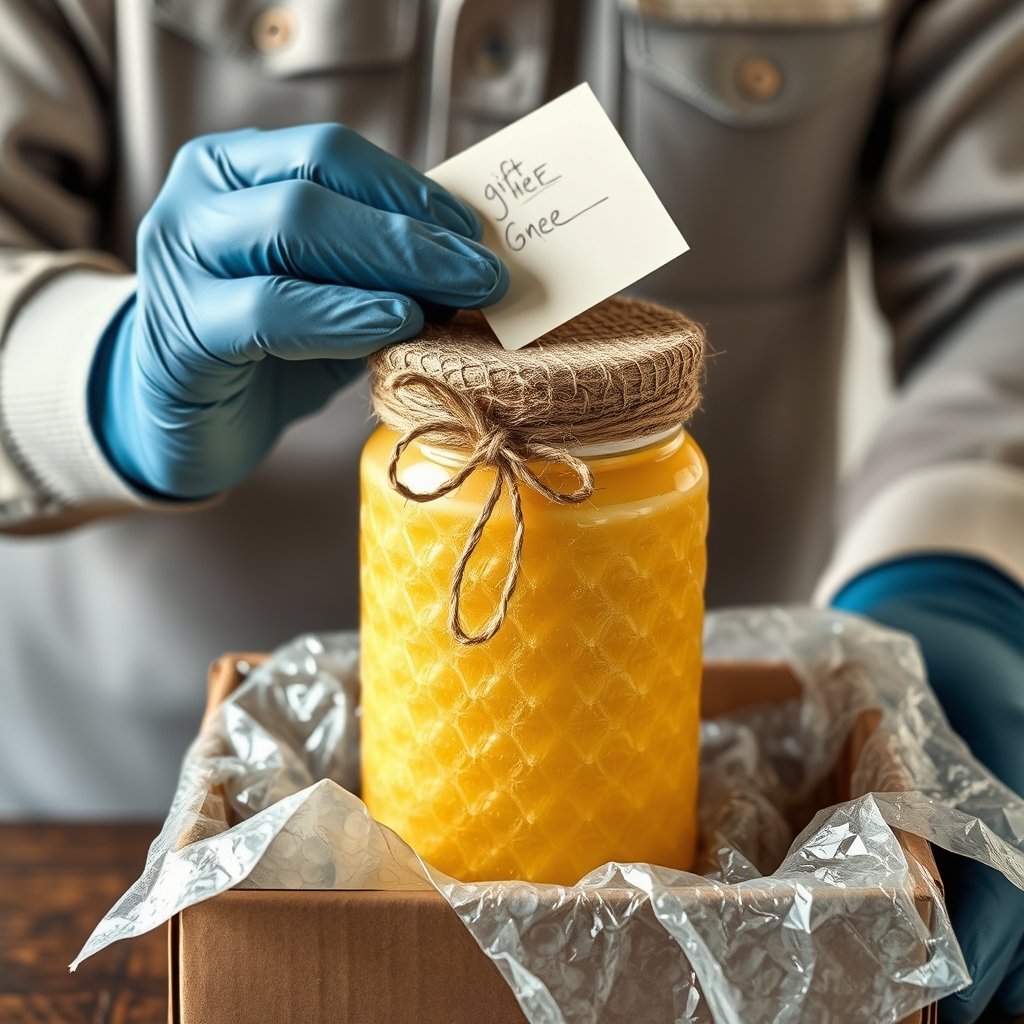 Gifting Ghee in Delhi: Choose Same-Day Direct Delivery
Send ghee gifts across Delhi using same-day point-to-point courier services with glass jar padding and…
-
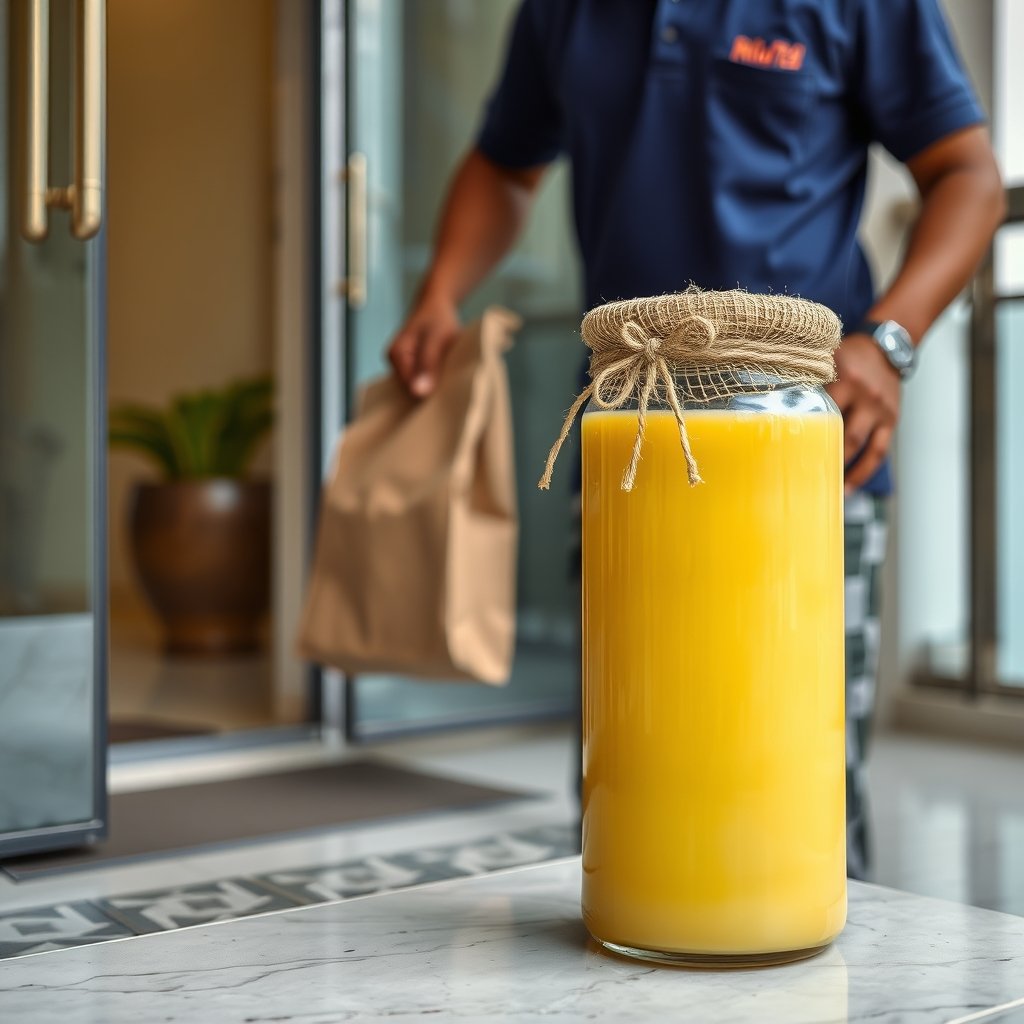 Bilona Ghee in West Delhi: Fresh Glass Jars to Dwarka
Fresh A2 Gir cow bilona ghee is delivered to homes across Dwarka and West Delhi within 24 to 48 hours using…
-
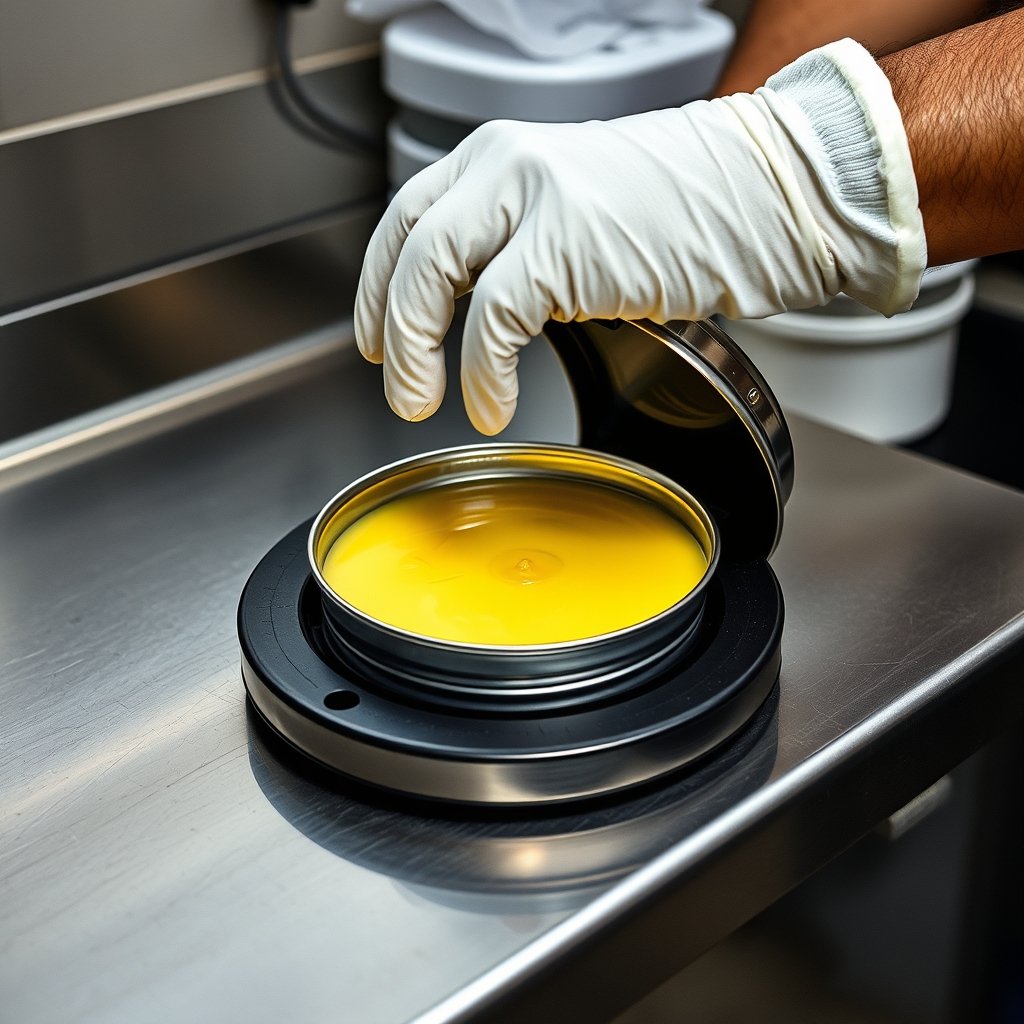 Sending Ghee to Relatives Abroad: Tins Travel Best
Sending ghee abroad requires airtight, food-grade metal tins with induction seals, as international couriers…
